Description
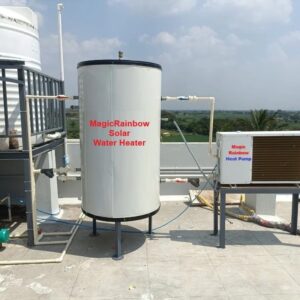
Commercial solar water heater are systems that harness solar energy to heat water for large-scale commercial and industrial applications. They are a sustainable and cost-effective alternative to traditional water heating methods that rely on fossil fuels like electricity or gas.
Here’s a breakdown of key aspects:
How they work
- Solar collectors absorb sunlight and convert it into heat energy. There are two main types:
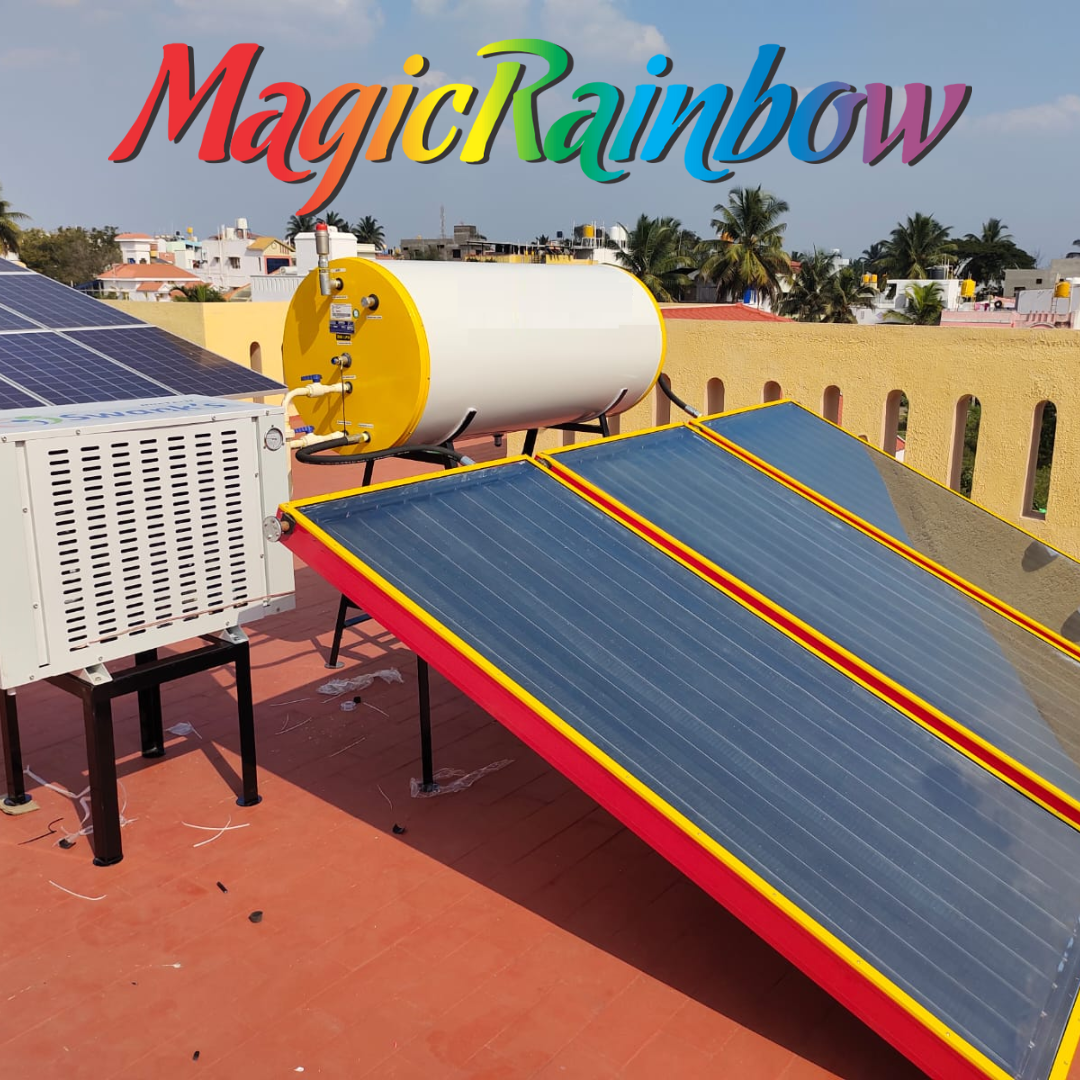
- Flat-plate collectors use a dark-colored absorber plate inside an insulated box with a transparent cover.
- Evacuated tube collectors utilize a series of glass tubes with an absorber plate and heat pipe, offering better efficiency, especially in colder climates.
- Heat transfer systems then move the absorbed heat to the water. This can be done directly by circulating water through the collectors or indirectly using a heat transfer fluid and a heat exchanger.
- Storage tanks hold the heated water until it’s needed. These tanks are typically well-insulated to minimize heat loss and can include backup heaters for cloudy days or high demand.
- Control systems regulate the entire process, managing water or fluid flow and maintaining optimal temperatures.
Benefits
- Cost savings: Significantly reduce energy bills by utilizing free solar energy. Some estimates suggest savings of 50-80% on water heating costs.
- Environmental sustainability: Reduce reliance on fossil fuels and lower greenhouse gas emissions. A 100-liter system can prevent 1.5 tons of carbon dioxide emissions annually.
- Energy independence: Offer a stable and reliable source of hot water, even during power outages.
- Low maintenance: Generally require minimal maintenance, mainly periodic cleaning and inspections. Many systems are designed to last for over 20 years.
- Financial incentives: May qualify for tax credits and other incentives depending on location.
Applications
- Hotels, resorts, hospitals, and hostels: Meeting high hot water demands for guest rooms, cleaning, and sanitization.
- Industrial processes: Preheating boiler feed water, washing, drying, food processing, and manufacturing.
- Housing societies: Reducing electricity bills and promoting sustainability for residents.
- Restaurants: Ensuring a consistent supply of hot water for dishwashing, restrooms, and kitchen use.
Choosing the right system
- Capacity: Determine the daily hot water requirement based on the application and number of users. For example, in residential settings, 50 liters per person is a common rule of thumb. Commercial systems typically start from 500 liters per day and can be scaled up.
- Collector type: Consider flat-plate for its affordability and durability, and evacuated tube collectors for better efficiency in colder climates.
- Storage tank: Select a tank size appropriate for the collector area to prevent overheating, typically 1.5 gallons per square foot of collector, says the Department of Energy.
- Professional installation: It’s crucial to have the system installed by qualified professionals to ensure proper functioning and safety.
Maintenance
- Regular visual inspections of the system for leaks, damage, or corrosion.
- Cleaning solar collector surfaces to maintain efficiency.
- Flushing the system periodically to remove mineral deposits and sediment.
- Checking for corrosion and replacing sacrificial anodes in storage tanks.
- Monitoring fluid levels (if applicable) and insulating pipes and tanks effectively.
- Having a professional inspect the system every 1-2 years is recommended.
Note: While solar water heaters offer numerous benefits, it’s essential to consider factors like local climate, hot water demand, available space, and budget when making a purchase decision. Consulting with solar energy experts can help determine the most suitable solution for specific commercial needs